The Symbolism of the Boar’s Head
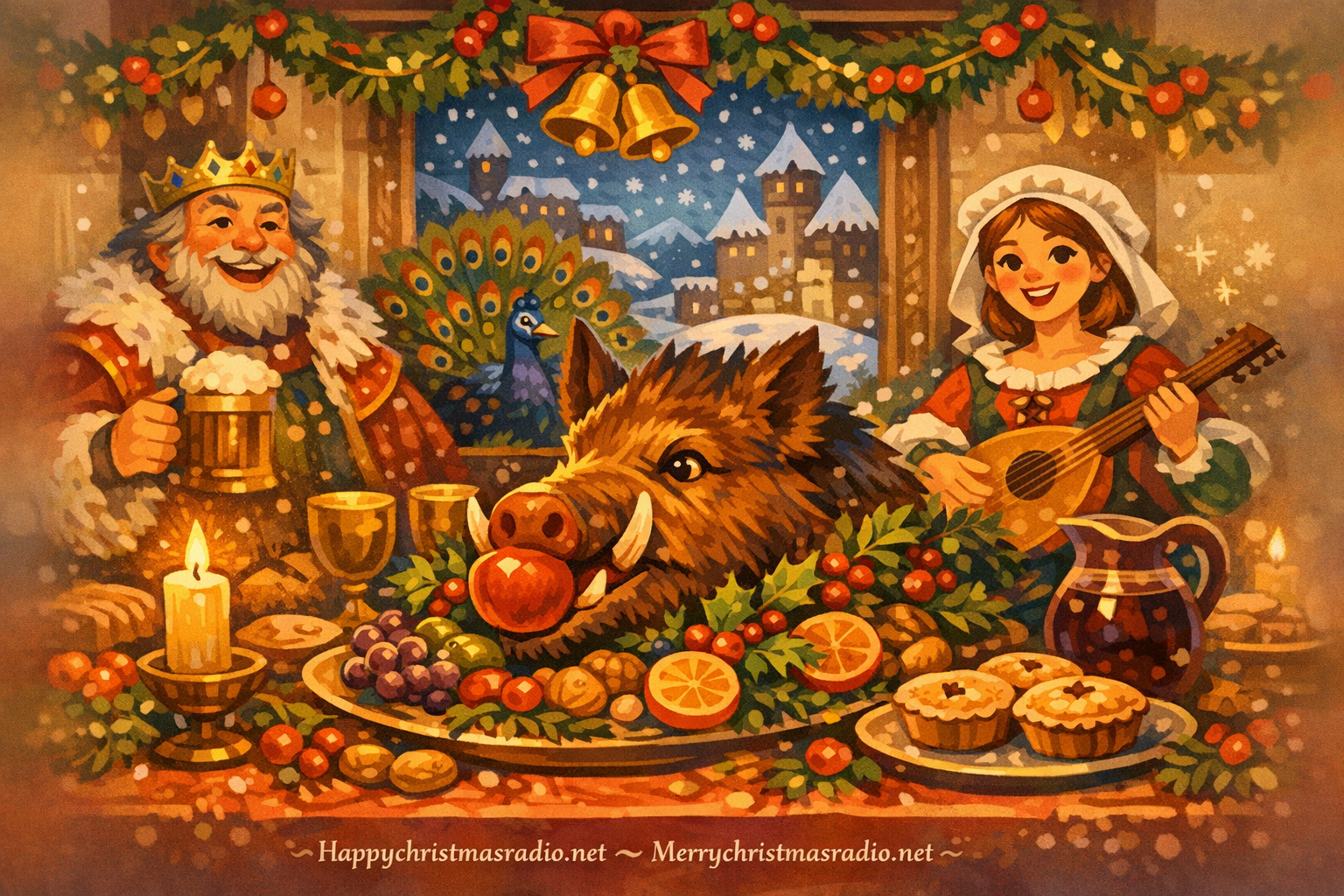
In medieval times, the boar’s head was much more than just a dish—it was a powerful symbol of strength and nobility. Often served at lavish banquets, particularly during the Christmas season, this majestic creature represented the triumph of good over evil. The tradition of presenting a boar’s head at festive gatherings can be traced back to the early 14th century, where it became a staple in the feasting culture of the upper classes.
A Festive Tradition
The boar’s head was typically adorned with herbs and spices, showcasing the culinary skills of the era. This not only elevated the presentation but also reflected the wealth and status of the host. During Christmas feasts, the boar was often accompanied by music and merriment, setting a jovial tone for the celebrations. Guests would even sing a traditional carol, “The Boar’s Head Carol,” during the serving, further embedding the dish into the festive spirit of the season.
Modern Reflections
While the boar’s head may not grace every holiday table today, its legacy continues in various forms. Many still celebrate with hearty meats, and the symbolism of abundance and prosperity remains strong. For Christmas lovers, the boar’s head serves as a reminder of the rich history behind the holiday traditions we cherish today. Whether you’re planning a grand feast or a cozy gathering, consider incorporating elements of this medieval custom to honor the past while celebrating the present.