The Origins of a Holiday Tradition
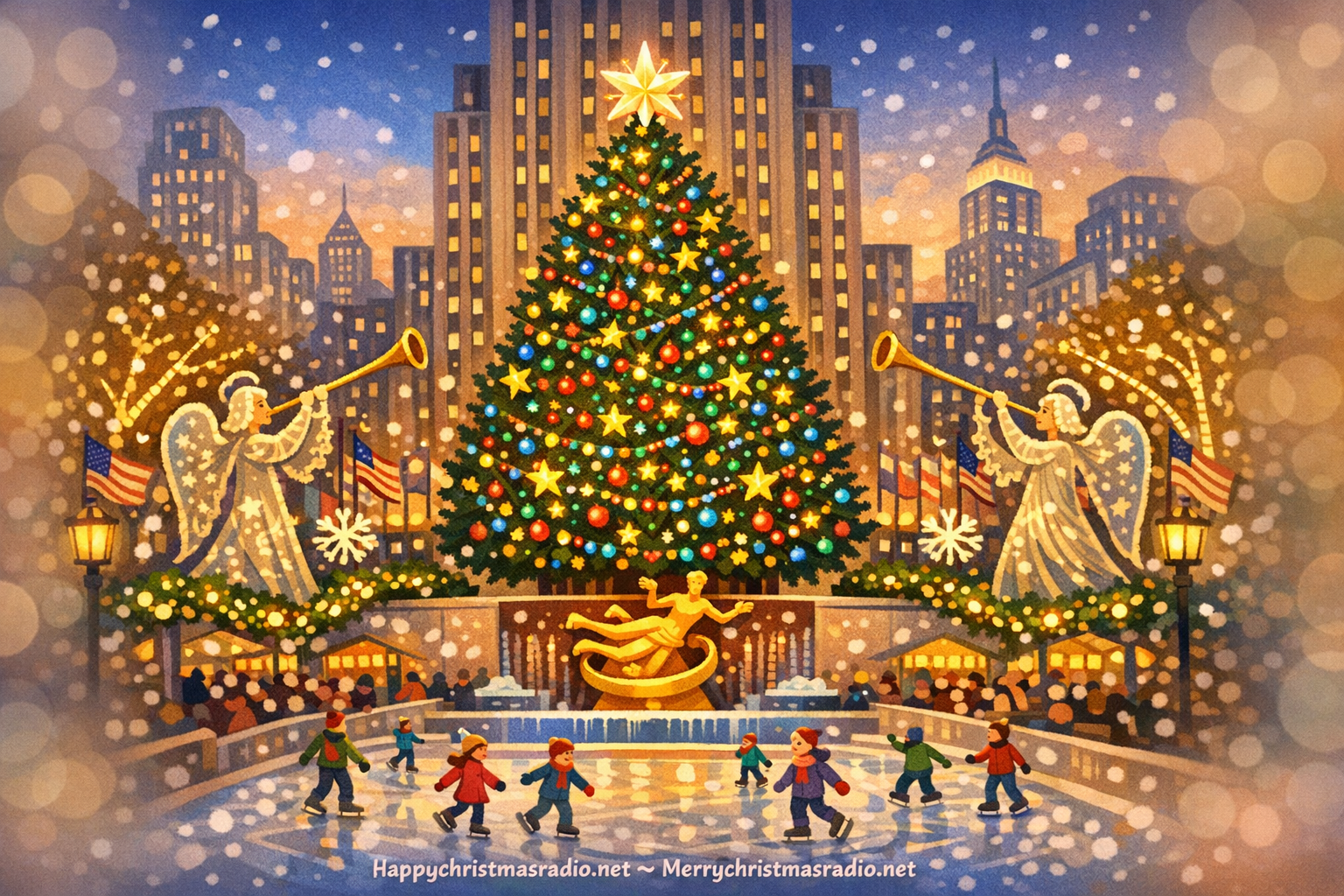
The Rockefeller Center Christmas tree has become one of the most iconic symbols of the holiday season, drawing millions of visitors to New York City each year. The tradition began in 1931, during the depths of the Great Depression, when workers at the Rockefeller Center construction site erected a small tree decorated with simple garlands. This modest gesture of hope and cheer quickly captured the spirit of the era and laid the groundwork for a beloved annual celebration.
From Humble Beginnings to Grand Displays
In the following years, the tree grew in size and splendor, transforming into a magnificent centerpiece for the holiday festivities. By 1933, the tree was adorned with lights, and its grandeur continued to expand. Each year, the Rockefeller Center tree is selected from various locations, often featuring a Norway spruce that reaches heights of up to 100 feet. The iconic lighting ceremony, which takes place in late November, marks the official start of the Christmas season for many New Yorkers and visitors alike.
A Symbol of Unity and Celebration
Over the decades, the Rockefeller Center tree has become a symbol of unity, resilience, and joy. Families gather around the tree, take photos, and enjoy the festive atmosphere that envelops the plaza. The tree is also a canvas for creativity, featuring thousands of twinkling lights and often a stunning star topper that shines brightly above. Not only does it signify the joy of Christmas, but it also reminds us of the importance of togetherness during the holiday season.
Continuing the Legacy
As we celebrate the Rockefeller Center tree each year, we honor the legacy of hope and joy it represents. Whether you are a local or a visitor, standing beneath its branches, surrounded by the vibrant hustle and bustle of the city, is an experience that captures the very essence of Christmas. As we look forward to the next holiday season, let us cherish this tradition that has brought smiles to countless faces for nearly a century.