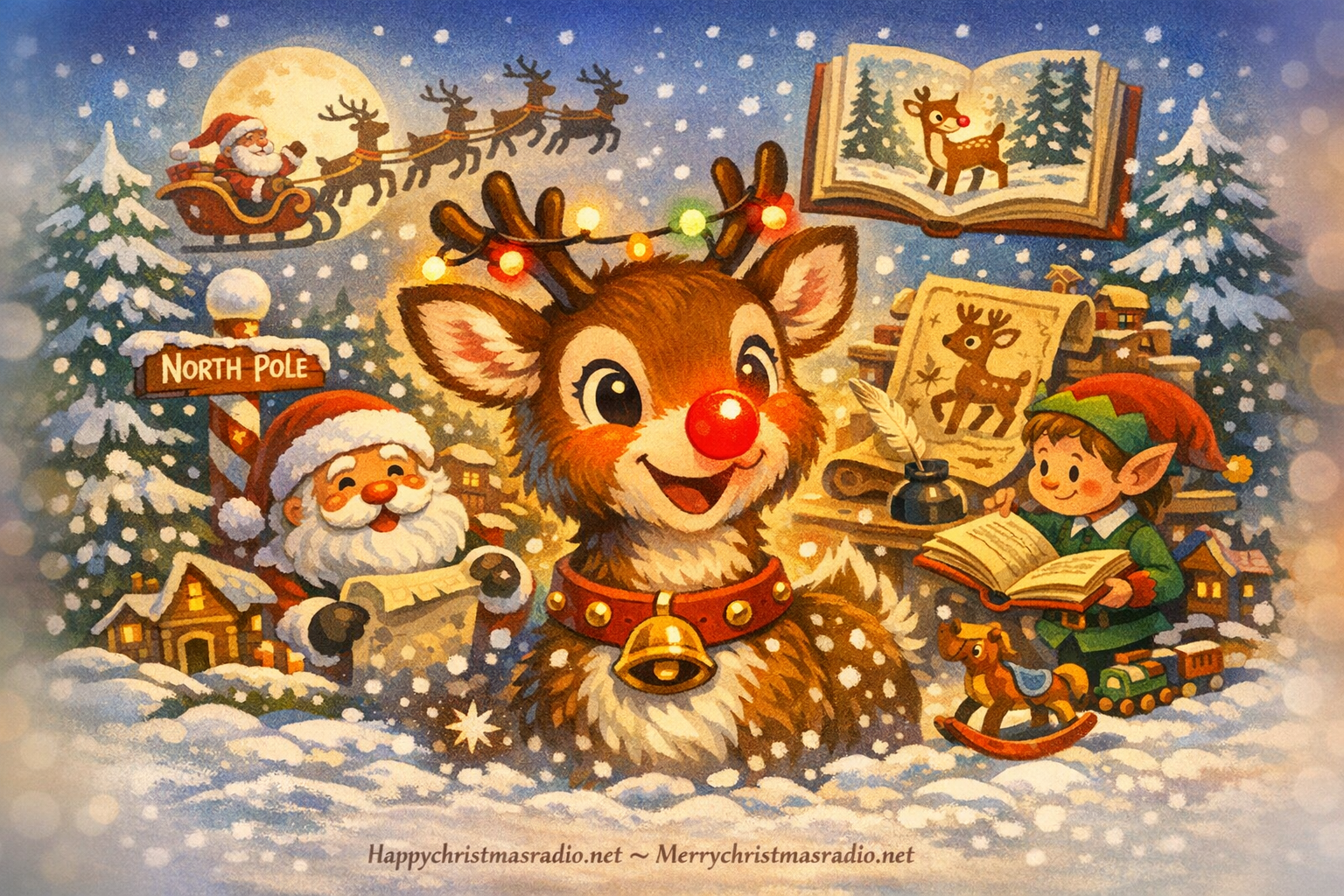
From Marketing Tool to Christmas Legend
Rudolph the Red-Nosed Reindeer is a character that has become a staple of Christmas lore, loved by children and adults alike. However, few people realize that this beloved reindeer started as a clever marketing item. In the late 1930s, Montgomery Ward, a large department store in Chicago, was looking for a way to attract holiday shoppers. They decided to create a new character to give away as a Christmas storybook, and thus, Rudolph was born.
The Creation of Rudolph
In 1939, Robert L. May, a copywriter at Montgomery Ward, crafted the story of Rudolph, a reindeer with a shiny red nose that lit up the night sky. The story aimed to teach children about the importance of acceptance and kindness. It was an instant success, with over two million copies distributed in its first year. May’s creation not only served as a marketing tool for the store but also ignited the imagination of many, turning Rudolph into a symbol of hope and resilience.
Rudolph's Rise to Fame
After its initial success as a storybook, Rudolph's journey took another leap when songwriter Johnny Marks adapted the story into a song in 1949. Bing Crosby and later Gene Autry recorded it, and the song skyrocketed to popularity, solidifying Rudolph’s status as a Christmas icon. Today, his story is celebrated not just in songs, but also through animated films and countless holiday decorations. From a simple marketing strategy to a timeless tale, Rudolph the Red-Nosed Reindeer has become a cherished part of Christmas traditions worldwide.
As you gather with loved ones this holiday season, consider sharing the story of Rudolph, reflecting on the values of kindness and acceptance that he represents. Embrace the magic of Christmas and the joy that comes from celebrating together.