Understanding Oplatek: A Christmas Tradition
The Oplatek wafer, a thin, unleavened bread, holds a special place in the hearts of many Eastern Europeans during the Christmas season. Traditionally made from flour and water, these delicate wafers are often embossed with religious symbols or festive imagery, making them not just a treat but also a significant part of holiday rituals. As families gather to celebrate Christmas, the Oplatek serves as a reminder of unity, forgiveness, and the joy of sharing meals together.
A Symbol of Togetherness
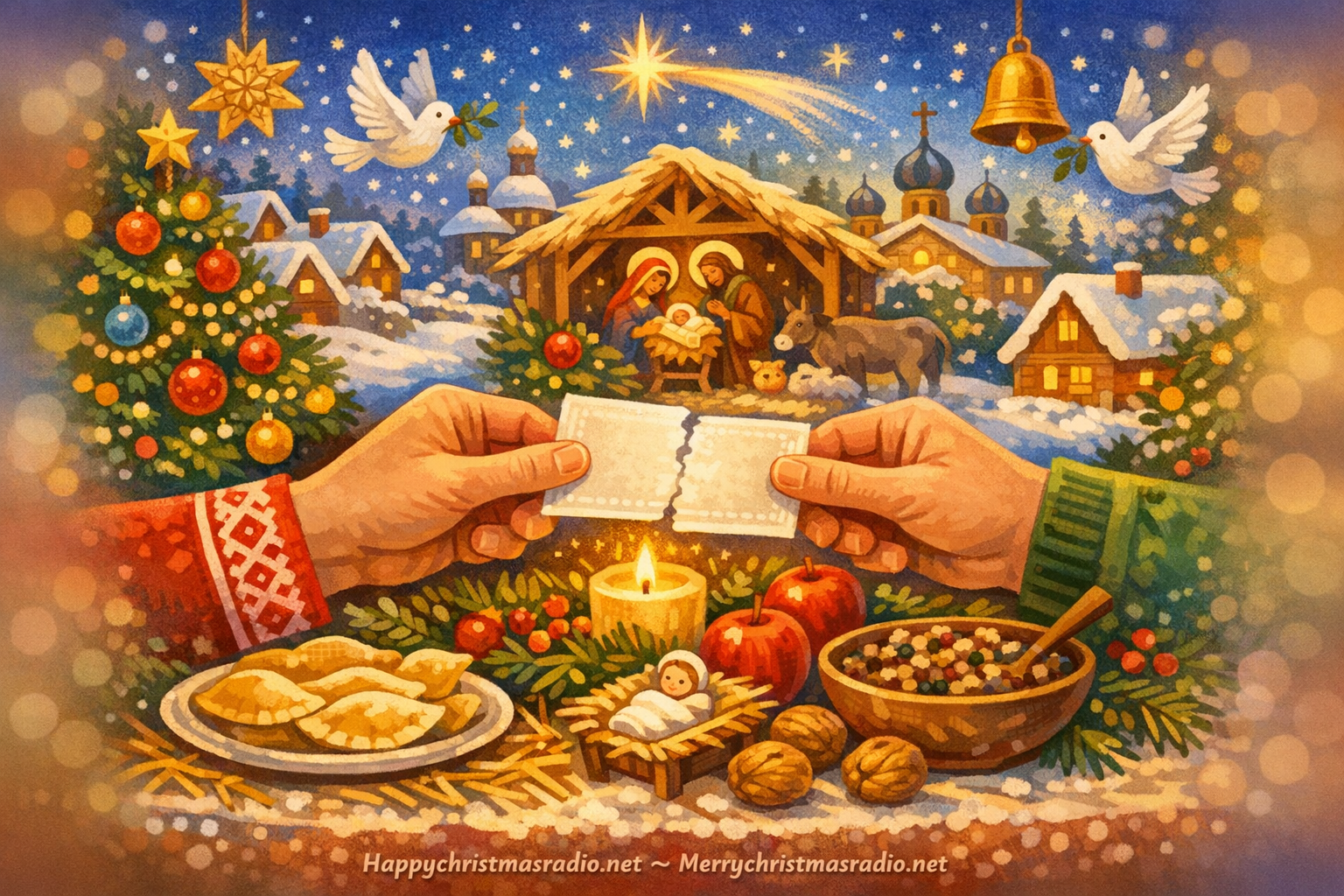
During the Christmas Eve dinner, known as Wigilia in Poland and similar names in other Eastern European countries, the Oplatek is central to the festivities. The meal begins with the breaking of the wafer, where family members share a piece with one another. This act of sharing symbolizes reconciliation and goodwill, and it often accompanies heartfelt wishes for health, happiness, and prosperity in the coming year. The ritual not only emphasizes the importance of family bonds but also invites a moment of reflection and gratitude.
Cultural Variations and Practices
While the Oplatek is most commonly associated with Polish traditions, similar practices can be found in various Eastern European cultures. In Slovakia, for example, families often engage in the sharing of wafers during Christmas Eve, emphasizing the same themes of community and love. In some regions, it is customary to place the Oplatek on the table as a symbol of Christ’s presence and as a reminder of the importance of hospitality during the holiday season.
As Christmas approaches, many look forward to the warmth and connection that these traditions foster. The Oplatek wafer is not just a culinary delight; it embodies the spirit of the season, reminding us of the fundamental values of compassion and togetherness. Whether you are part of these traditions or simply curious about them, the Oplatek offers a beautiful glimpse into the heart of Eastern European Christmas celebrations.