The Origins of the Yule Goat
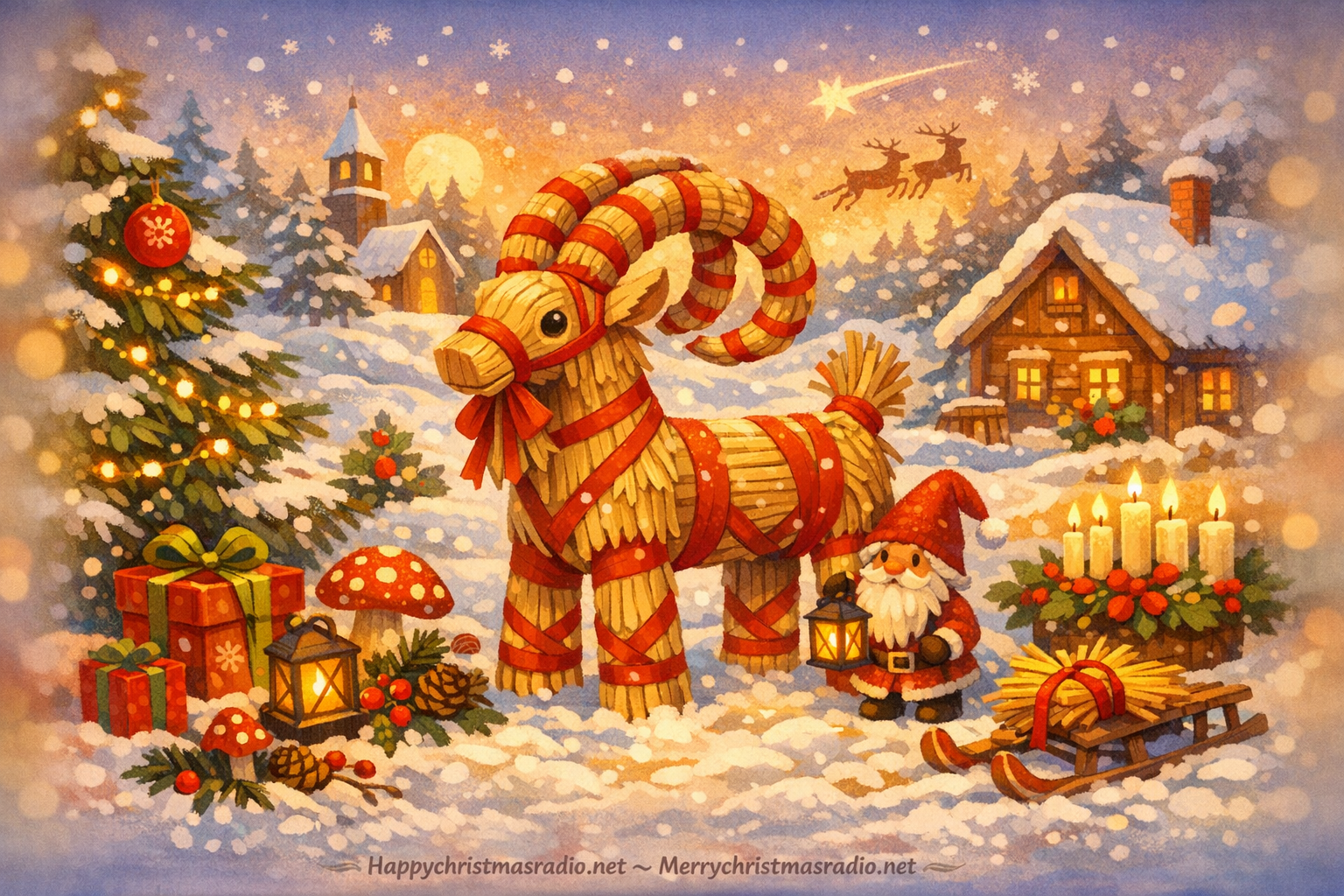
The Yule Goat, or "Julbock" in Swedish, is a captivating symbol of Christmas deeply rooted in Scandinavian folklore. Its origins can be traced back to ancient pagan traditions, where goats were associated with fertility and the winter solstice. As the cold months approached, these magnificent creatures were believed to bring good fortune and prosperity. Over time, the Yule Goat evolved into a festive figure, representing the spirit of the season and a reminder of the joy that Christmas brings.
A Festive Tradition
In Scandinavian countries, the Yule Goat has become synonymous with the Christmas season. Traditionally, people would create straw goats, often adorning them with red ribbons, and place them in their homes or at the entrance to celebrate the holiday. This playful decoration symbolizes warmth, community, and the festive spirit of togetherness. In some regions, it is said that the Yule Goat would visit homes, delivering gifts and spreading cheer, much like the modern-day Santa Claus.
The Yule Goat Today
Today, the Yule Goat remains a beloved symbol of Christmas in Scandinavia, celebrated through various customs and festivities. Cities often feature large straw Yule Goats in public squares, which have become iconic attractions during the holiday season. Additionally, many families continue to honor the tradition of making their own Yule Goats, incorporating them into their Christmas decorations. This delightful blend of ancient customs and modern celebrations reflects the enduring charm of the Yule Goat, reminding us all of the magic that this time of year holds.
As we gather with loved ones to celebrate Christmas, let the Yule Goat inspire us to embrace the spirit of giving, joy, and togetherness that defines the holiday season. Whether you’re decorating your home or simply enjoying festive traditions, the Yule Goat serves as a reminder of the rich history and warmth that Christmas brings.